
Free replacement for Damaged Aunt porridge Products. Terms & Conditions Apply
The Power of Amaranth: Unlocking its Nutritional Benefits for Your Baby's Health and Development

The Power of Amaranth: Unlocking Its Benefits for Your Baby’s Health and Development.

As a parent, it’s natural to want the best for your baby. One way to give your little one a healthy start in life is by introducing nutrient-rich foods into their diet. Amaranth is one such food that offers a multitude of benefits for your baby’s growth and development. In this article, we’ll explore the health benefits of amaranth for babies, how it can be consumed, and how it supports overall health.

What is Amaranth?
Amaranth is an ancient grain that has been a staple in many cultures for centuries. It is a nutrient-dense food that is rich in protein, fiber, and various essential vitamins and minerals. Amaranth is also gluten-free, making it an excellent option for babies with gluten intolerance or sensitivity.

Health Benefits of Amaranth for Babies
1. High in Protein: Amaranth is an excellent source of protein, which is essential for your baby’s growth and development. Protein helps build and repair tissues, including muscles, bones, and organs.
2. Rich in Fiber: Amaranth is a good source of dietary fiber, which can help promote healthy digestion and prevent constipation in babies.
3. Packed with Vitamins and Minerals: Amaranth is a rich source of various vitamins and minerals, including iron, calcium, and vitamin B6. These nutrients are essential for your baby’s overall health and development.
4. Antioxidant Properties: Amaranth contains antioxidants that help protect your baby’s cells from damage caused by free radicals.
5. Supports Healthy Bone Development: The calcium and other minerals in amaranth support healthy bone development in babies.
6. Boosts Immune System: The vitamins and minerals in amaranth help support a healthy immune system, reducing the risk of illnesses and infections.
7. Promotes Healthy Digestion: The fiber in amaranth helps promote healthy digestion, reducing the risk of constipation and other digestive issues.

How to Consume Amaranth:
Amaranth can be consumed in various ways, including:
1. Porridge: Amaranth can be cooked into a delicious and nutritious porridge for babies.
2. Baked Goods: Amaranth flour can be used to make baked goods, such as bread and muffins.
3. Popped Amaranth: Popped amaranth can be used as a topping for oatmeal or yogurt.
4. Amaranth Cereal: Amaranth can be used to make a nutritious breakfast cereal.

How Amaranth Supports Overall Health
1. Supports Healthy Growth: The protein and nutrients in amaranth support healthy growth and development in babies.
2. Reduces Risk of Chronic Diseases: The antioxidants and other nutrients in amaranth may help reduce the risk of chronic diseases later in life.
3. Supports Healthy Gut Bacteria: The fiber in amaranth helps promote healthy gut bacteria, which is essential for a strong immune system.

Aunt Porridge: A Nutritious Option for Your Baby
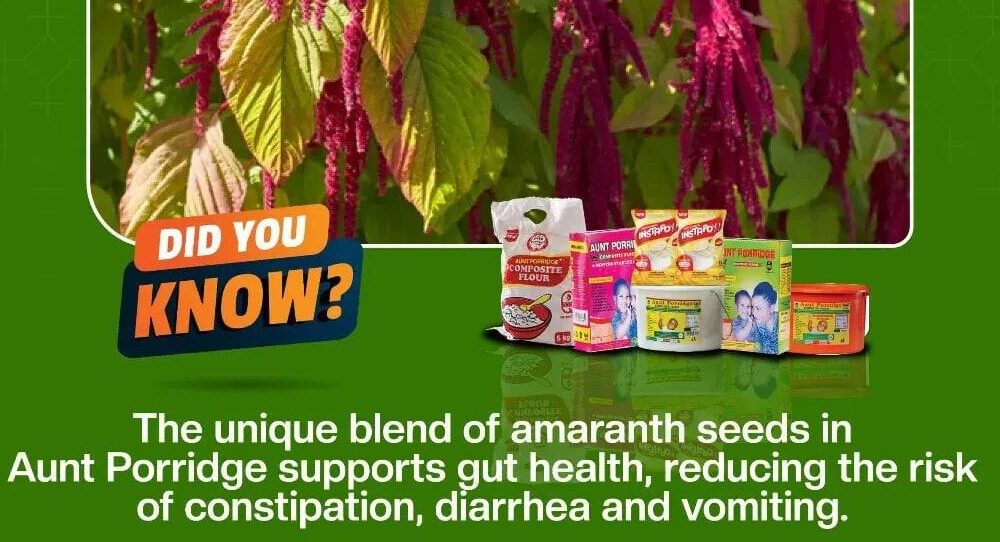
At Aunt Porridge, we incorporate amaranth into our porridge, making it a perfect nutritious option for baby feeds. Our Aunt Porridge is carefully crafted to provide your baby with the best possible start in life, with a blend of essential nutrients and grains that support healthy growth and development. With Aunt Porridge, you can trust that your baby is getting the nutrition they need to thrive.

In conclusion, amaranth is a nutrient-rich food that offers numerous benefits for your baby’s growth and development. Its high protein content, rich fiber, and various essential vitamins and minerals make it an excellent addition to your baby’s diet. Whether consumed as a porridge, baked goods, or cereal, amaranth is a versatile food that can support overall health and well-being. With Aunt Porridge, you can give your baby the best possible start in life with a nutritious and delicious meal.

Natural Labor Prep: How Dates Can Help in the Last Week of Pregnancy

Natural Labor Prep: How Dates Can Help in the Last Week of Pregnancy

As the due date approaches, many expecting mothers look for natural ways to prepare their bodies for labor. One often-recommended food is dates. Rich in nutrients and compounds that may stimulate the uterus, dates have been shown to potentially reduce the need for induction, shorten labor duration, and decrease the risk of complications.

Benefits of Dates in Pregnancy
Dates are a nutrient-dense food, providing essential vitamins, minerals, and antioxidants that support fetal development and maternal health. In the last few weeks of pregnancy, eating dates may help:
– Reduce the need for induction
– Shorten labor duration
– Decrease the risk of complications

How Dates Help with Labor Prep
Dates contain compounds that may stimulate the uterus, helping it to contract more efficiently during labor. Additionally, dates may help the cervix dilate more quickly, making labor easier and faster.

How to Incorporate Dates into Your Diet
To reap the benefits of dates, try the following:
– Eat 6-8 dates per day, starting from 36 weeks of pregnancy
– Add dates to oatmeal or yogurt for a nutritious breakfast
– Make a date smoothie by blending dates with milk or yogurt

Tips and Precautions
– Stay hydrated by drinking plenty of water with your dates
– Listen to your body and stop eating dates if you experience any discomfort or allergic reactions
– Consult with your healthcare provider before making any changes to your diet

By incorporating dates into your diet in the last week of pregnancy, you may be able to support your body’s natural preparation for labor. Always consult with your healthcare provider before making any changes to your diet or labor plan.

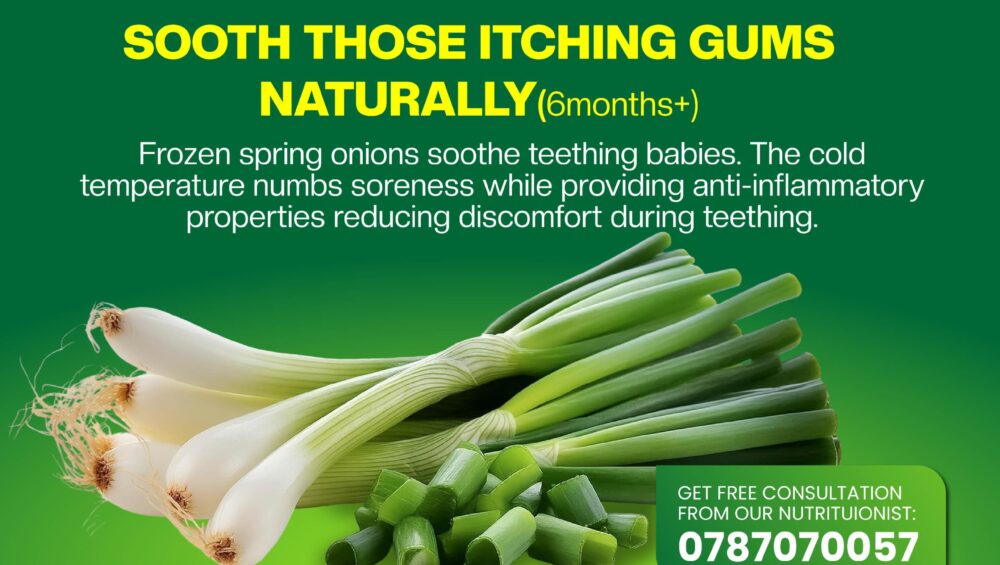
Teething can be a challenging time for babies and parents alike. While there are many remedies available, some parents prefer natural solutions.

Natural Teething Relief: How Spring Onions Can Soothe Baby’s Gums

Teething can be a challenging time for babies and parents alike. While there are many remedies available, some parents prefer natural solutions. One such remedy is spring onions, which have been used for centuries to soothe teething gums. Let’s explore how spring onions can help alleviate teething discomfort in babies.

Why Spring Onions?
1. Anti-Inflammatory Properties: Spring onions contain compounds that may help reduce inflammation and ease pain.
2. Antimicrobial Properties: Spring onions have antimicrobial properties that can help prevent infection and promote healing.
3. Natural and Gentle: Spring onions are a natural, non-invasive remedy that can be gentle on baby’s gums.

How to Use Spring Onions for Teething Relief
1. Rubbing: Gently rub a chilled spring onion on your baby’s gums to help reduce swelling and ease pain.
2. Make a Paste: Mix spring onion juice with a small amount of water or breast milk to create a paste, and apply it to your baby’s gums.

Precautions
1. Consult Your Pediatrician: Before trying any new remedy, consult with your pediatrician, especially if your baby has underlying health conditions.
2. Wash Thoroughly: Ensure the spring onion is washed thoroughly to avoid any potential bacterial contamination.

Conclusion
Spring onions may offer a natural, gentle solution for soothing teething gums. While more research is needed, many parents swear by its effectiveness. Always consult with your pediatrician before trying any new remedy.

WHY BABABIES SHOULD EAT A WHOLE EGG, YORK AND WHITE?

WHY YOUR BABY SHOULD EAT A WHOLE EGG: EGG WHITE & YOLK!

As a parent, introducing solid foods to your baby can be an exciting yet overwhelming experience. One common debate is whether to introduce whole eggs or just the yolk to babies 6 months and above. Here, we’ll explore the benefits of introducing entire eggs to your little one.

Why Whole Eggs?
1. Protein Powerhouse: Whole eggs are an excellent source of protein, essential for growth and development. Egg whites provide about 3.6 grams of protein per large egg.
2. Choline Content: Egg yolks are rich in choline, a nutrient crucial for brain development, memory, and cognitive function. Whole eggs provide a balanced mix of choline and protein.
3. Nutrient-Dense: Whole eggs offer a range of vitamins and minerals, including vitamin D, vitamin B12, and iron.

Benefits of Whole Eggs for Babies
1. Supports Growth and Development: The protein and nutrients in whole eggs support overall growth and development in babies.
2. Brain Development: Choline in egg yolks supports brain development and cognitive function.
3. Allergy Prevention: Introducing whole eggs early (around 6 months) may help reduce the risk of egg allergy.

When to Introduce Whole Eggs
The American Academy of Pediatrics recommends introducing eggs around 6 months of age. However, it’s essential to:
1. Consult Your Pediatrician: Discuss introducing whole eggs with your pediatrician, especially if there’s a family history of allergies.
2. Prepare Eggs Safely: Hard-boil or scramble eggs to reduce the risk of salmonella.

Tips for Introducing Whole Eggs
1. Start with Small Amounts: Begin with a small amount (about 1-2 teaspoons) and gradually increase the serving size.
2. Mix with Other Foods: Mix mashed or scrambled eggs with other foods, like fruits or vegetables.
3. Monitor for Signs of Allergy: Watch for signs of allergy, such as rash, itching, or digestive issues.

Conclusion
Introducing whole eggs to babies 6 months and above can provide essential nutrients for growth and development. By understanding the benefits and taking necessary precautions, parents can confidently add whole eggs to their baby’s diet. Always consult with your pediatrician before making significant changes to your baby’s diet.

Final Tips
1. Variety is Key: Offer a variety of foods to ensure a balanced diet.
2. Breastfeeding Continues: Continue breastfeeding alongside solid foods.
3. Patience is Essential: Be patient and observant when introducing new foods.

By following these guidelines and consulting with your pediatrician, you can introduce whole eggs to your baby’s diet and support their overall health and development….Contact the Nutritionist…0787070057

Select the fields to be shown. Others will be hidden. Drag and drop to rearrange the order.
  • Image
  • SKU
  • Rating
  • Price
  • Stock
  • Availability
  • Add to cart
  • Description
  • Content
  • Weight
  • Dimensions
  • Additional information
Click outside to hide the comparison bar
Compare
Shopping cart close