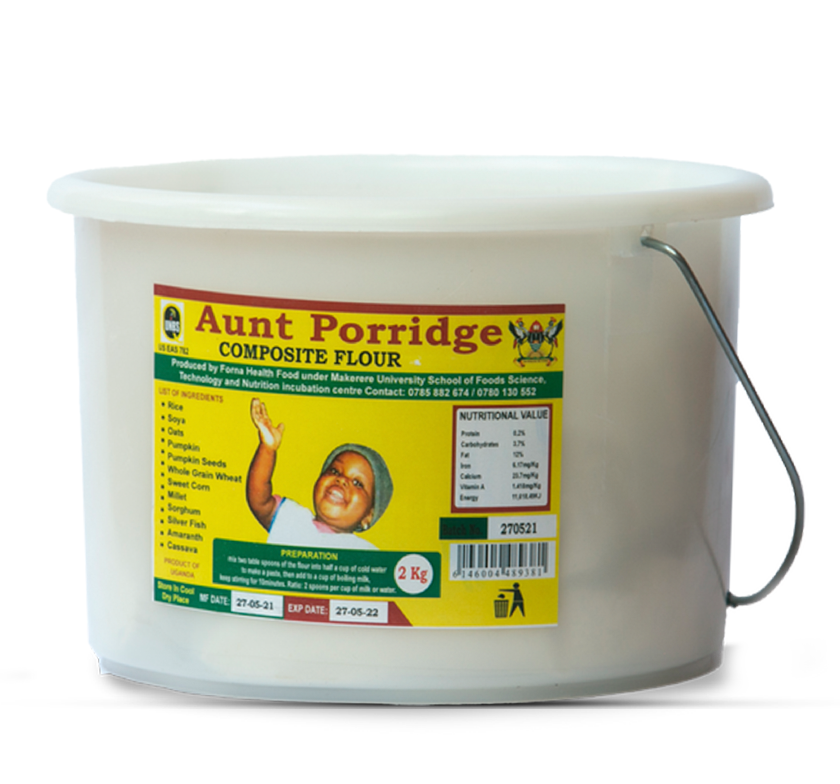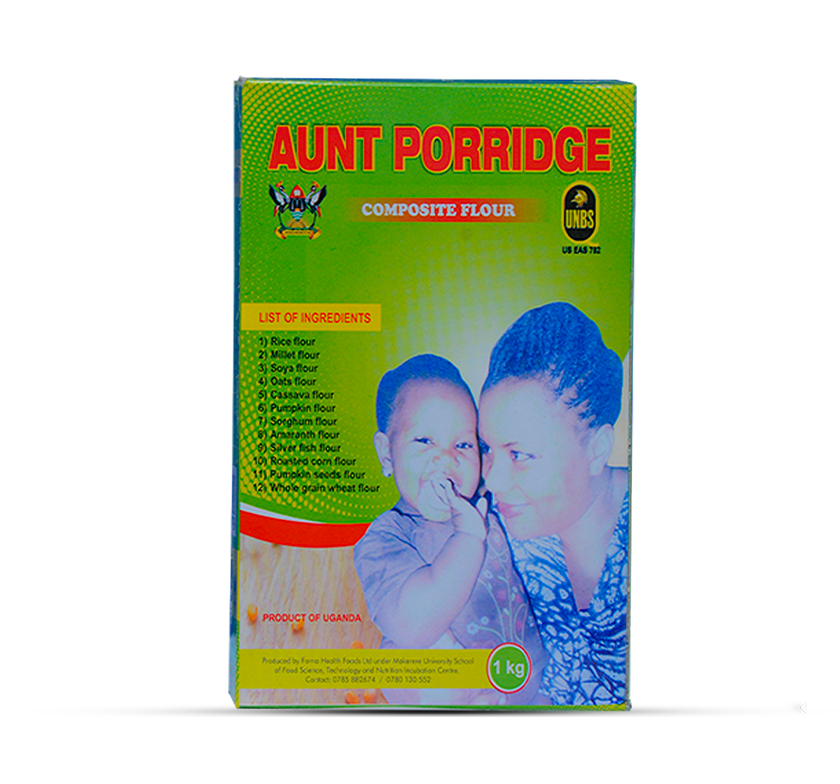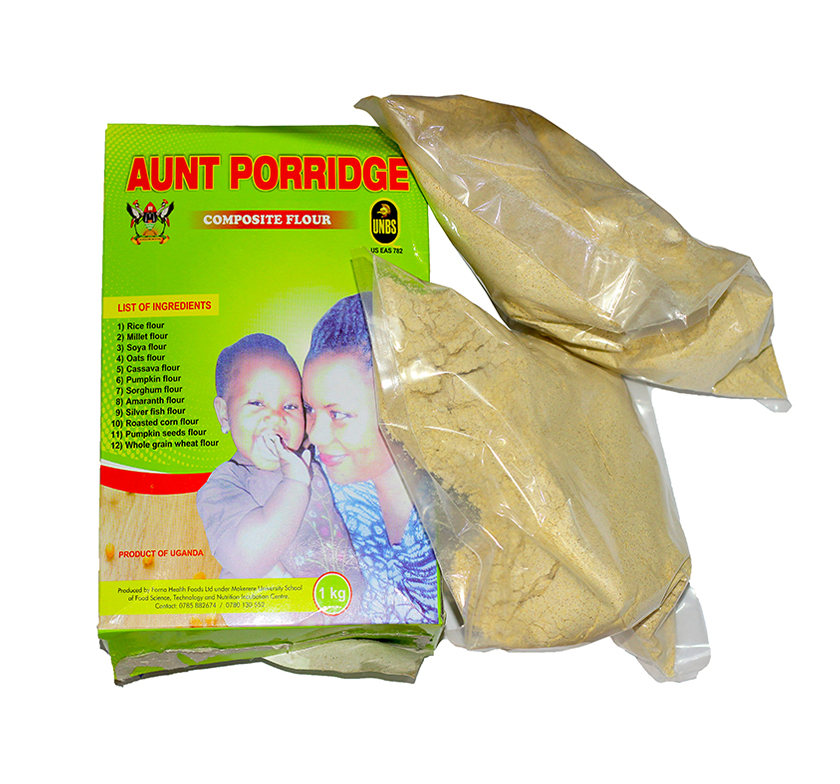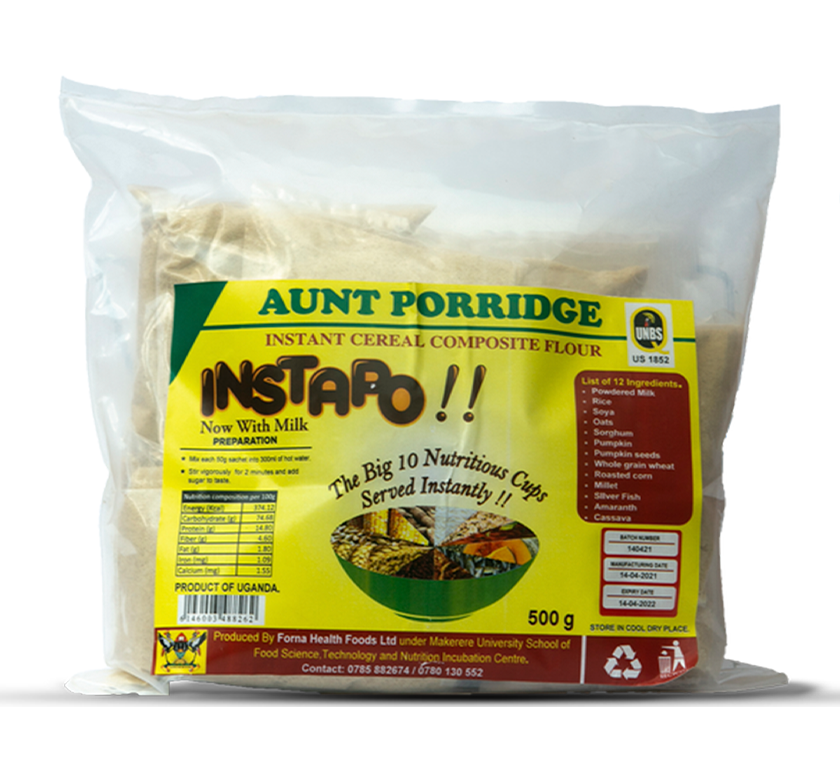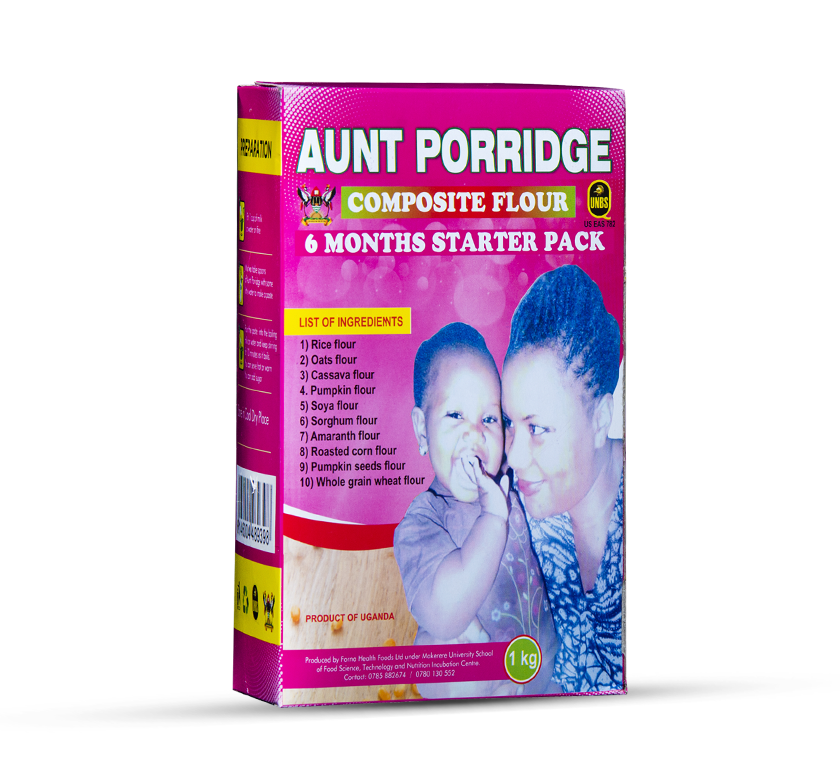

Free replacement for Damaged Aunt porridge Products. Terms & Conditions Apply

No Milk? No Problem! Why Yogurt Is the Perfect Swap for Your Little One.

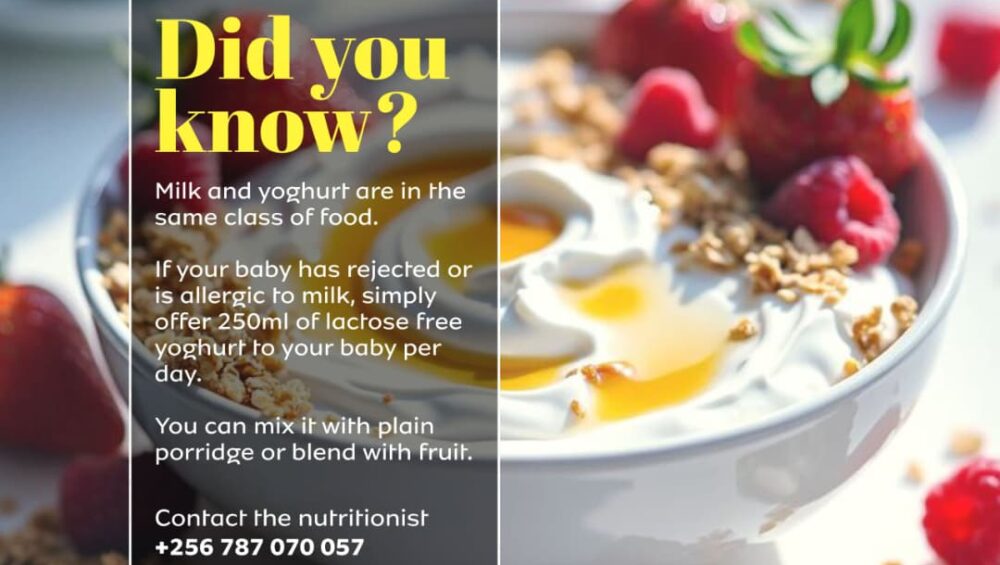
Did you know?
If your baby turns their nose up at milk, you don’t have to force it. Yogurt can step in and do the job — plus it comes with a bonus of probiotics and a creamier texture most babies love.

Why babies reject milk
Around 6 months and up, some babies start refusing milk. It could be:
1. Taste fatigue – plain milk gets boring fast
2. Texture sensitivity – they prefer thicker foods as they start solids
3. Mild intolerance – the proteins in cow’s milk can feel heavy on tiny tummies

Why yogurt is a smart substitute
Yogurt gives your little one almost the same nutrition as milk, but in a friendlier form:
– Calcium + Vitamin D: For strong bones and teeth
– Protein: For growth and muscle development
– Probiotics: Good bacteria that support digestion and immunity
– Creamier texture: Easier for babies learning to self-feed

Choose plain, full-fat, unsweetened yogurt for babies 6 months+. Skip the flavored ones — too much added sugar.

Make it irresistible: Yogurt + Fruit combo
The trick is flavor + color. Try these 3 combos for 6m+ babies:
1. Banana + Yogurt: Mash ½ ripe banana into 2 tbsp yogurt. Natural sweetness, no added sugar.
2. Mango + Yogurt: Perfect for this season. Blend ripe mango cubes with yogurt for a tropical treat.
3. Berries + Yogurt: Lightly mash strawberries or blueberries. The color alone gets babies curious.

Serve it chilled, not cold, and start with 1-2 tbsp to watch for any reaction.

A quick note from Aunt Porridge
Yogurt isn’t a 1:1 replacement for breastmilk or formula for babies under 12 months. But as part of a balanced diet with solids, it’s an excellent way to keep calcium and protein in their meals if milk isn’t working for them. Always check with your pediatrician if you suspect allergy or intolerance.

Bottom line: Milk refusal doesn’t mean nutrition gaps. With the right yogurt + fruit mix, you can still win at mealtime.

What’s your baby’s favorite fruit-yogurt combo? Tell us in the comments 👇

Tips for a pregnant Mum

As a pregnant mum, there’s lots of advice concerning nutrition. Sometimes you wonder what to pick or leave, yet it all looks essential. With lots of information, one may wonder who is right and wrong. Always talk to your gynecologist before making any abrupt decision. 

As a nutritionist I bring you a few essential tips or guidelines to help you;

    1. Always consume fortified foods such as vegetable oil, flour, or cereals for additional vitamins and minerals. Fortified foods have labels marked with an “F”. The goal is for you and the baby to have as much abundance of nutrients so the body doesn’t go to your reserves 
    2. Always use iodized salt to prevent poor brain development, physical growth, and goiter. Iodized salt protects against unexplained abortions, miscarriages, and stillbirths too.
    3. Drink and drink lots of fluids, especially water. An estimation of at least significant 8glasses/2.5litrtes/6 full NICE cups for a good functioning body.
    4. Eat a variety of locally available foods. Have a blend of animal and plant sources Why?? It’s not one particular food that has all ingredients. One food may be high in one nutrient and low in another yet you can get that down in a different food.
      For example, fruits have high levels of vitamin C and beef has more iron. Meaning fruits have little or no iron while beef has no vitamin C.
    5. During pregnancy, there’s a provision for you to eat at least one extra meal in addition to the regular meals (breakfast, lunch, and dinner)
    6. Avoid taking tea or coffee with meals especially if they contain iron. There are particular chemical compounds found in tea or coffee that interfere with iron absorption.

    If you would like specific advice regarding pregnancy nutrition and how to prepare for the delivery of a healthy baby.

    Contact our nutritionist for expert advice on vitamin and nutrient deficiencies.

    Dietician /Nutritionist  Aunt Porridge || +256 787 070 057

    Recommended products

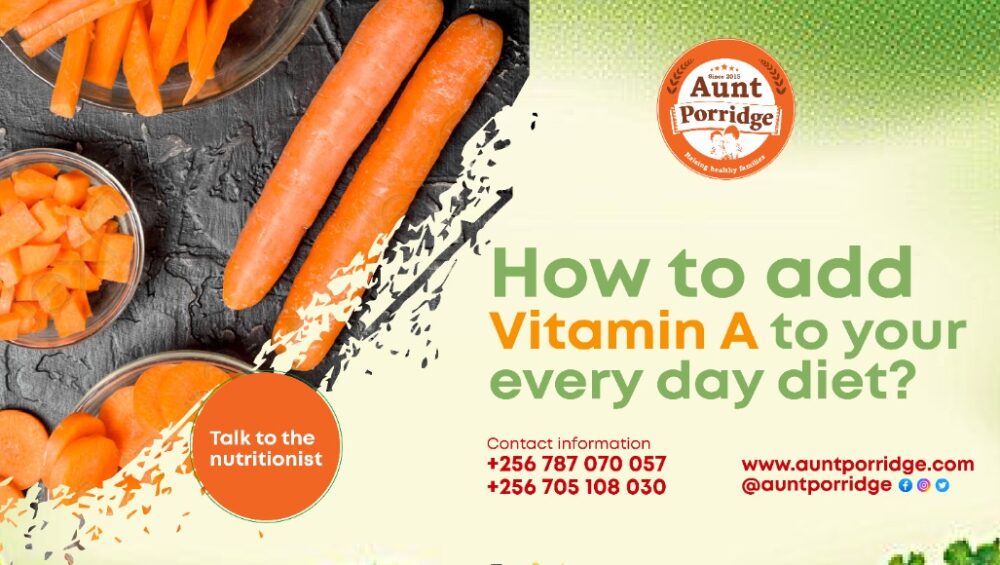
    Vitamin A foods and how you can add them to your everyday diet

    Last week we talked about why your child needs Vitamin A. Kindly read that post before you continue. This will help you better understand why Vitamin A is a big deal to your child’s health.

    Vitamin A helps your child have good eyesight, a strong immune system, and proper growth and development. it’s found in the following local foods such as;

    Fruits
    Pawpaw, guava, and mango

    Vegetables
    Pumpkin, Carrots, Broccoli, orange flesh sweet potato, red and yellow bell peppers, dark green leafy vegetables like spinach, kale, nakati

    Animal sources
    Meats( especially liver) dairy and their products (cheese, yogurt, butter), eggs, fish especially oily fish

    Fortified foods
    Cereals, flour and cooking oil.

    Aunt porridge has pumpkin and silverfish which are rich in vitamin A.

    The question now would be, how to incorporate them into your diet?

    1. You can add a teaspoon of mukene to any sauce made at home.
    2. Mashing pumpkin into sauce adds extra vitamin A .👌
    3. Giving your child a boiled egg 🥚 (the whole egg and not just the egg yolk).
    4. Adding either pawpaw, mango, carrot, or guava to your choice of juice.

    Contact our nutritionist for expert advice on vitamin and nutrient deficiencies.

    Dietician /Nutritionist  Aunt Porridge || +256 787 070 057

    Recommended products

    Why your child needs Vitamin A daily?

    Vitamin A is a fatsoluble vitamin meaning it’s best absorbed in the body in the presence of fat or oil. Vitamin A has other names like “Retinol or retinoic acid”.

    Being deficient in Vitamin A has fatal consequences like;

    1. Significant morbidity (how many times one falls sick) and mortality( those who die from a particular disease) from childhood infections.
    2. The world’s leading preventable cause of childhood blindness.
    3. The body experiences a low ability to fight infections.
    4. Increased risk for childhood respiratory diseases.
    5. Decreased growth rate and slow bone development.

    From the above consequences of vitamin A deficiency; one needs a daily dose of it from foods.
    If you noticed at 6 months your child is supplemented with a drop of vitamin A in their mouth. Sadly this is not enough and more is got from the foods your child eats. Let’s prevent deaths and sicknesses caused by nutrient deficiencies.

    Contact our nutritionist for expert advice on vitamin and nutrient deficiencies.

    Dietician /Nutritionist  Aunt Porridge || +256 787 070 057

    Recommended products

    Select the fields to be shown. Others will be hidden. Drag and drop to rearrange the order.
    • Image
    • SKU
    • Rating
    • Price
    • Stock
    • Availability
    • Add to cart
    • Description
    • Content
    • Weight
    • Dimensions
    • Additional information
    Click outside to hide the comparison bar
    Compare
    Shopping cart close