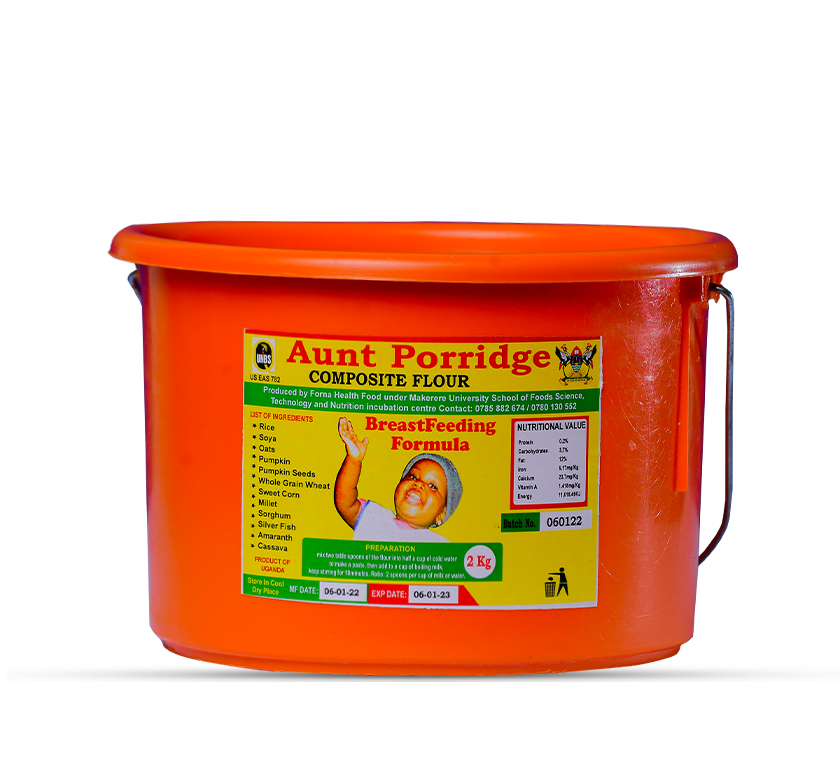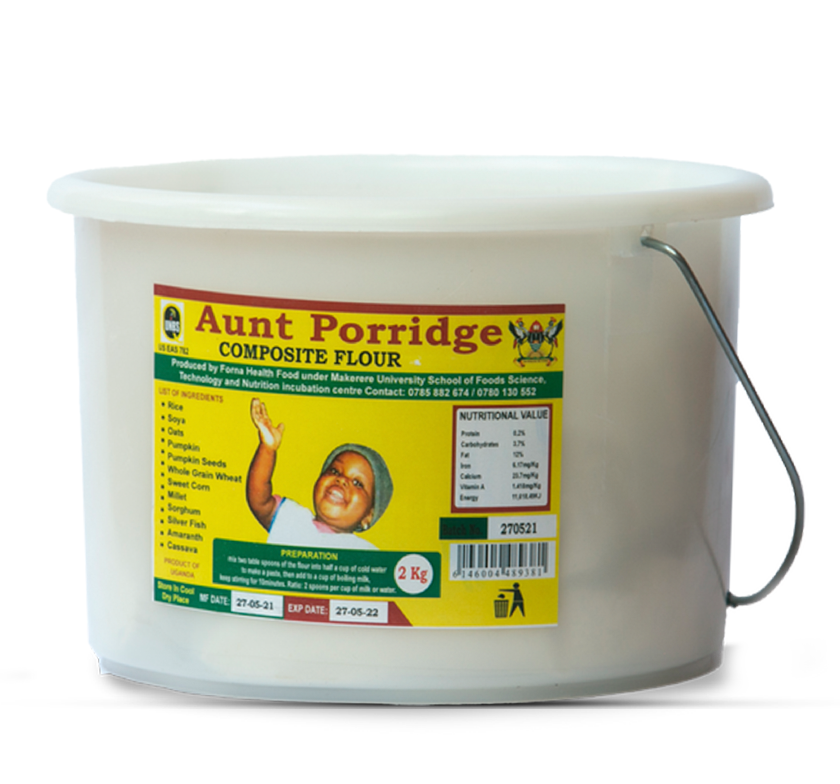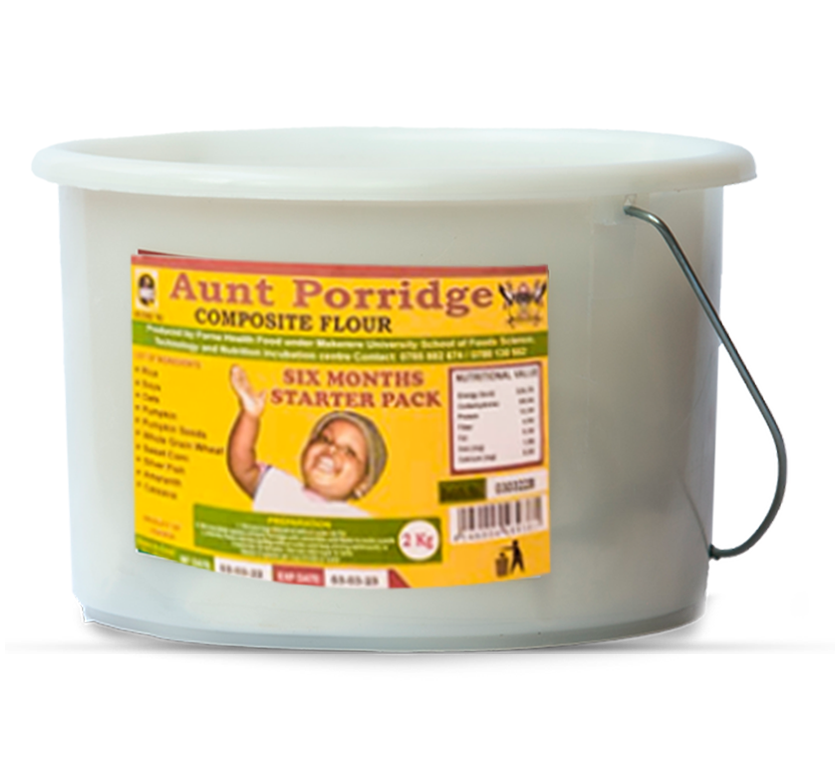
Free replacement for Damaged Aunt porridge Products. Terms & Conditions Apply
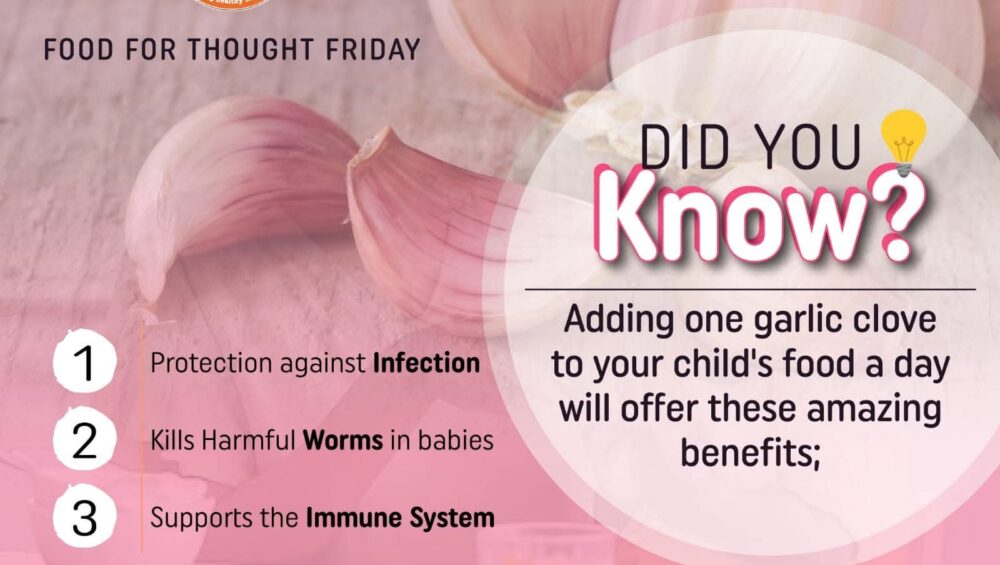
The Benefits of Adding Garlic to Your Child's Food

The Benefits of Adding Garlic to Your Child’s Food

Garlic has been a staple in many cuisines for centuries, not only for its distinct flavor but also for its numerous health benefits. When it comes to children, incorporating garlic into their meals can provide several advantages. Here are some benefits of adding a garlic clove to your child’s food:

1. Boosts Immune System: Garlic contains compounds that have antimicrobial and antiviral properties, which can help support the immune system and reduce the risk of illnesses.

2. Rich in Antioxidants: Garlic is a rich source of antioxidants that help protect the body from oxidative stress and damage caused by free radicals.

3. Supports Heart Health: Garlic has been shown to have a positive impact on heart health by helping to lower cholesterol levels and improve blood circulation.

4. Anti-Inflammatory Properties: Garlic has anti-inflammatory compounds that may help reduce inflammation and alleviate symptoms associated with conditions like asthma or allergies.

5. Natural Antimicrobial Agent: Garlic’s antimicrobial properties can help fight off bacteria, viruses, and fungi, which can be particularly beneficial during cold and flu season.

How to Incorporate Garlic into Your Child’s Diet

1. Start with Small Amounts: Begin with a small amount, such as half a clove, and gradually increase as your child gets accustomed to the flavor.

2. Mix with Other Foods: Combine minced garlic with foods your child already enjoys, like pasta sauces, soups, or stir-fries.

3. Choose Mild Preparations: Cooking garlic can mellow out its flavor, making it more palatable for children.

Precautions and Considerations

1. Consult a Pediatrician: Before making any significant changes to your child’s diet, consult with a pediatrician, especially if they have specific health conditions.

2. Allergic Reactions: Monitor your child for any signs of allergic reactions or digestive issues after introducing garlic.

3. Quantity Matters: Be mindful of the amount of garlic used, as excessive consumption can lead to digestive discomfort.

Incorporating garlic into your child’s meals can be a simple and effective way to enhance their health and well-being. As with any dietary change, it’s essential to approach it thoughtfully and consult with healthcare professionals as needed.


Teething can be a challenging time for babies and parents alike. While there are many remedies available, some parents prefer natural solutions.

Natural Teething Relief: How Spring Onions Can Soothe Baby’s Gums

Teething can be a challenging time for babies and parents alike. While there are many remedies available, some parents prefer natural solutions. One such remedy is spring onions, which have been used for centuries to soothe teething gums. Let’s explore how spring onions can help alleviate teething discomfort in babies.

Why Spring Onions?
1. Anti-Inflammatory Properties: Spring onions contain compounds that may help reduce inflammation and ease pain.
2. Antimicrobial Properties: Spring onions have antimicrobial properties that can help prevent infection and promote healing.
3. Natural and Gentle: Spring onions are a natural, non-invasive remedy that can be gentle on baby’s gums.

How to Use Spring Onions for Teething Relief
1. Rubbing: Gently rub a chilled spring onion on your baby’s gums to help reduce swelling and ease pain.
2. Make a Paste: Mix spring onion juice with a small amount of water or breast milk to create a paste, and apply it to your baby’s gums.

Precautions
1. Consult Your Pediatrician: Before trying any new remedy, consult with your pediatrician, especially if your baby has underlying health conditions.
2. Wash Thoroughly: Ensure the spring onion is washed thoroughly to avoid any potential bacterial contamination.

Conclusion
Spring onions may offer a natural, gentle solution for soothing teething gums. While more research is needed, many parents swear by its effectiveness. Always consult with your pediatrician before trying any new remedy.

Understanding Picky Eaters: A Guide for Parents!


As a parent, there’s nothing more frustrating than mealtime battles with your child. Picky eating is a common phenomenon affecting many families worldwide. But what’s behind this behaviour, and more importantly, how can you navigate it? In this article, we’ll explore the world of picky eaters, debunk some common myths, and provide you with practical tips to make mealtime a breeze.

What is Picky Eating?

Picky eating is a normal phase of child development, typically starting around the age of 2-3 years old. During this time, children begin to assert their independence and explore their surroundings, including food. They might become selective about what they eat, often rejecting new or unfamiliar foods.

Why Do Children Become Picky Eaters?

There are several reasons why children become picky eaters:

Developmental phase: As mentioned earlier, picky eating is a normal part of child development.

Sensory sensitivity: Some children might be more sensitive to certain textures, tastes, or smells.

Environmental factors: Mealtime atmosphere, parental feeding styles, and exposure to food can influence eating habits.

Genetic predisposition: Family eating habits and food preferences can play a role.

Debunking Common Myths

Before we dive into the tips, let’s dispel some common myths surrounding picky eating:

Myth 1: Picky eating is a result of poor parenting.

Reality: Picky eating is a normal phase of child development, and parents are not to blame.

Myth 2: Children will eventually grow out of picky eating.

Reality: While some children may outgrow picky eating, others may continue to experience food aversions.

Practical Tips for Parents

Here are some actionable tips to help you navigate picky eating:

Offer a variety of foods:  Expose your child to different foods, including fruits, vegetables, whole grains, and lean proteins.

Create a positive mealtime atmosphere:  Make mealtime enjoyable by turning off the TV, engaging in conversations, and avoiding punishment or rewards.

Involve your child in meal planning:  Let your child help with grocery shopping or meal preparation to encourage ownership and interest in food.

Be patient and consistent:  It can take multiple attempts for a child to accept a new food, so don’t give up!

Avoid forcing food:  Forcing your child to eat a particular food can create negative associations and mealtime battles.

– Model healthy eating habits:  Children learn from what they see, so make sure to model healthy eating habits yourself.

Additional Tips

Make mealtime fun:  Use fun shapes and colors to make mealtime more engaging.

Offer dipping sauces:  Dipping sauces can make vegetables more appealing to picky eaters.

Involve your child in cooking:  Let your child help with simple recipes, like making a salad or assembling a sandwich.

Conclusion

Picky eating is a common challenge many parents face, but with the right approach, you can navigate this phase with confidence. By understanding the reasons behind picky eating, debunking common myths, and implementing practical tips, you can create a positive mealtime atmosphere and encourage healthy eating habits in your child. Remember, patience, consistency, and involvement are key to helping your child develop a lifelong love for food.

///////////////////////       NUTRITIONIST 0787070057         ////////////////////////////////////


Select the fields to be shown. Others will be hidden. Drag and drop to rearrange the order.
  • Image
  • SKU
  • Rating
  • Price
  • Stock
  • Availability
  • Add to cart
  • Description
  • Content
  • Weight
  • Dimensions
  • Additional information
Click outside to hide the comparison bar
Compare
Shopping cart close