
Free replacement for Damaged Aunt porridge Products. Terms & Conditions Apply
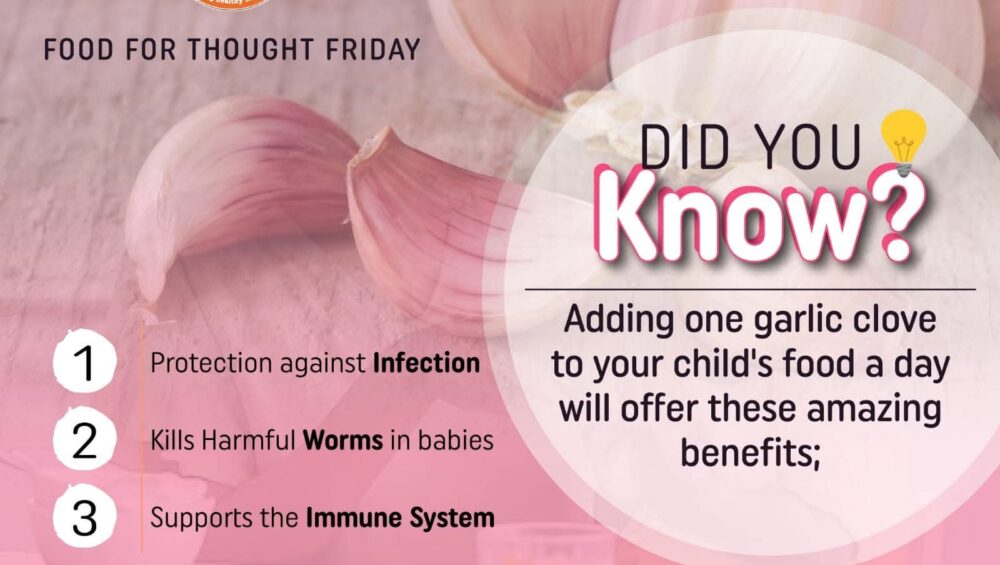
The Benefits of Adding Garlic to Your Child's Food

The Benefits of Adding Garlic to Your Child’s Food

Garlic has been a staple in many cuisines for centuries, not only for its distinct flavor but also for its numerous health benefits. When it comes to children, incorporating garlic into their meals can provide several advantages. Here are some benefits of adding a garlic clove to your child’s food:

1. Boosts Immune System: Garlic contains compounds that have antimicrobial and antiviral properties, which can help support the immune system and reduce the risk of illnesses.

2. Rich in Antioxidants: Garlic is a rich source of antioxidants that help protect the body from oxidative stress and damage caused by free radicals.

3. Supports Heart Health: Garlic has been shown to have a positive impact on heart health by helping to lower cholesterol levels and improve blood circulation.

4. Anti-Inflammatory Properties: Garlic has anti-inflammatory compounds that may help reduce inflammation and alleviate symptoms associated with conditions like asthma or allergies.

5. Natural Antimicrobial Agent: Garlic’s antimicrobial properties can help fight off bacteria, viruses, and fungi, which can be particularly beneficial during cold and flu season.

How to Incorporate Garlic into Your Child’s Diet

1. Start with Small Amounts: Begin with a small amount, such as half a clove, and gradually increase as your child gets accustomed to the flavor.

2. Mix with Other Foods: Combine minced garlic with foods your child already enjoys, like pasta sauces, soups, or stir-fries.

3. Choose Mild Preparations: Cooking garlic can mellow out its flavor, making it more palatable for children.

Precautions and Considerations

1. Consult a Pediatrician: Before making any significant changes to your child’s diet, consult with a pediatrician, especially if they have specific health conditions.

2. Allergic Reactions: Monitor your child for any signs of allergic reactions or digestive issues after introducing garlic.

3. Quantity Matters: Be mindful of the amount of garlic used, as excessive consumption can lead to digestive discomfort.

Incorporating garlic into your child’s meals can be a simple and effective way to enhance their health and well-being. As with any dietary change, it’s essential to approach it thoughtfully and consult with healthcare professionals as needed.

WHY BABABIES SHOULD EAT A WHOLE EGG, YORK AND WHITE?

WHY YOUR BABY SHOULD EAT A WHOLE EGG: EGG WHITE & YOLK!

As a parent, introducing solid foods to your baby can be an exciting yet overwhelming experience. One common debate is whether to introduce whole eggs or just the yolk to babies 6 months and above. Here, we’ll explore the benefits of introducing entire eggs to your little one.

Why Whole Eggs?
1. Protein Powerhouse: Whole eggs are an excellent source of protein, essential for growth and development. Egg whites provide about 3.6 grams of protein per large egg.
2. Choline Content: Egg yolks are rich in choline, a nutrient crucial for brain development, memory, and cognitive function. Whole eggs provide a balanced mix of choline and protein.
3. Nutrient-Dense: Whole eggs offer a range of vitamins and minerals, including vitamin D, vitamin B12, and iron.

Benefits of Whole Eggs for Babies
1. Supports Growth and Development: The protein and nutrients in whole eggs support overall growth and development in babies.
2. Brain Development: Choline in egg yolks supports brain development and cognitive function.
3. Allergy Prevention: Introducing whole eggs early (around 6 months) may help reduce the risk of egg allergy.

When to Introduce Whole Eggs
The American Academy of Pediatrics recommends introducing eggs around 6 months of age. However, it’s essential to:
1. Consult Your Pediatrician: Discuss introducing whole eggs with your pediatrician, especially if there’s a family history of allergies.
2. Prepare Eggs Safely: Hard-boil or scramble eggs to reduce the risk of salmonella.

Tips for Introducing Whole Eggs
1. Start with Small Amounts: Begin with a small amount (about 1-2 teaspoons) and gradually increase the serving size.
2. Mix with Other Foods: Mix mashed or scrambled eggs with other foods, like fruits or vegetables.
3. Monitor for Signs of Allergy: Watch for signs of allergy, such as rash, itching, or digestive issues.

Conclusion
Introducing whole eggs to babies 6 months and above can provide essential nutrients for growth and development. By understanding the benefits and taking necessary precautions, parents can confidently add whole eggs to their baby’s diet. Always consult with your pediatrician before making significant changes to your baby’s diet.

Final Tips
1. Variety is Key: Offer a variety of foods to ensure a balanced diet.
2. Breastfeeding Continues: Continue breastfeeding alongside solid foods.
3. Patience is Essential: Be patient and observant when introducing new foods.

By following these guidelines and consulting with your pediatrician, you can introduce whole eggs to your baby’s diet and support their overall health and development….Contact the Nutritionist…0787070057

Select the fields to be shown. Others will be hidden. Drag and drop to rearrange the order.
  • Image
  • SKU
  • Rating
  • Price
  • Stock
  • Availability
  • Add to cart
  • Description
  • Content
  • Weight
  • Dimensions
  • Additional information
Click outside to hide the comparison bar
Compare
Shopping cart close